Collection of Latest Digital Cameras on Sale, What Digital Cameras to Avoid?, What is the hottest digital camera available?, What digital Camera to buy?, Digital Cameras Good Review, Digital Cameras Bad Review.

Saturday, September 19, 2009

Casio's New Compact Cams Add HD, High-Speed Video

Casio made waves by introducing the EX-F1 and EX-FH20 super-zoom cameras, both capable of shooting High-Definition Video and high speed video that can record 210-, 420- or a whopping 1,000 frames per second.

asio announced the $399.99 EX-FC100 and the $349.99 EX-FS10, both of which are capable of shooting 720p video and high speed 1000-fps movies, but are compact point-and-shoots that are slim enough to fit in your pocket. The new cameras will also be using CMOS sensors, as opposed to CCD sensors usually found in compact point-and-shoots. CMOS sensors are typically only found in expensive Digital Single Lens Reflex (SLR) cameras; the inclusion of CMOS sensors is also a first for Casio and a rarity in this category.


Casio EX-FC100
The EX-FC100 and EX-FS10 will measure 0.89 and 0.64 inches thin, respectively, and will both use a 9 megapixel CMOS sensor. The less expensive EX-FS10 will offer a 3X optical zoom and 2.5-inch LCD screen. The EX-FC100 will be priced $50 higher, offers a bump to 5X optical zoom, a 2.7-inch LCD and its lens does not extend outside the body of the camera.

Casio will leverage the speed of these new cameras by creating new features called "Lag Correction," "Slow Motion View," and "HS Best Selection." "Lag Correction" will combat shutter lag, which refers to the delay between pushing the shutter release button and the actual shot that is captured, it can also be caused by a user's slow response to hit the shutter release. "Lag Correction" will begin taking photos once the shutter release button is pressed halfway down (while the user is preparing to take the shot). That way, if the shot is missed when the button is fully pressed, the user will have the shot even if their reflexes cause them to miss it.

-pcmag.com

Tuesday, July 28, 2009

Sony Ericsson C905 Cyber-shot 8.1 Megapixel Camera Phone


The Sony Ericsson C905 leak out a few months ago. The phone was ultimately released and is one of the way better Cyber-shot camera phones out there. Boasting an 8.1 megapixel camera, the C905 is equipped with a 2.4 inch screen that can be used in both portrait and landscape modes thanks to the built in accelerometer. Measuring 104mm x 49mm x 18mm, the phone weighs in at an arguably hefty 136 grams (4.8 oz), and is compatible with GSM 850/900/1800/1900MHz and UMTS 2100/HSDPA networks.

The phone comes with a slide-out keypad with standard T9 input that is common on most other Sony Ericsson phones. The phone features a crisp 262k color display, which doubles up as your camera preview window.

Interestingly, the photos for this review were taken from another 8 megapixel camera (a Canon PowerShot SD1100 one). While images from the Canon are marginally better than the ones from the C905, the image quality on the C905 is an order of magnitude better than just about all the other camera phones out in the market. The face detection feature lets you easily focus on the subject, while photo fix lets you adjust contrast and light balance after you’ve shot the picture.

Now, I am a large believer that digital photos above 5 megapixels in resolution are just a waste of space, so I lowered the resolution of images on the C905 to 5MP (it’s easy to set the resolution from the phone menu when you are operating in camera mode). Even with this modification, the photos were really pretty good. Check out the sample photos to see what I mean.

Sometimes, the camera shutter is off by a second when you shoot the photo - leading to blurry images, which you can avoid by turning on the image stabilizer. For low light conditions, there’s a xenon flash. While I did not try it, the camera also supports video blogging, letting you upload videos online in seconds (based on your cell phone network - better if you’re on WiFi). You can also geo-tag your photos.

The Phone

When the slider is closed, you can do a few things, including look up the recent call list (called, received and missed calls), from where you can call any of those numbers. You do this the usual way - by pressing the Call Answer key.

The Sony Ericsson C905 also comes with a shortcut button that lets you see new phone events (text messages, call alerts), switch between multiple running applications (yes - there is multitasking support), a list of quick shortcuts for the most commonly used applications, WiFi/Bluetooth connectivity and so on, and finally for web access. I realized that I spent quite a bit of my time with the shortcut key - and it is useful without having to slide out the keypad each time.

That said, when you want to send text messages or access other installed tools and applications, you will have to slide out the keypad.

Applications

One of the more important applications on any phone these days is the web browser. The Sony Ericsson C905 comes with the Access NetFront browser (one of my former favorites). On the earlier Nokia Series 60 phones, this was just about the best browser out there - until Opera came out and became the leading browser on phones. Opera is, as usual, available as a free download for the C905 - and I recommend downloading this if you are serious about browsing a lot on your phone.

The other applications are nothing to write home about: you have your default calendar, clock, notepad and task applications as well as a handy integrated FM radio receiver.

Messaging

For regular text messaging, there’s the default SMS application. Now, one of the features I liked on this is that it remembers the last few numbers/contacts that you sent the message to, so if you want to send the message to them again it is very convenient. The C905 supports POP and IMAP email accounts as well, but for some reason I could never get it to work with my Gmail account.

Synchronization

Sony Ericsson provides its PC Suite software for syncing data between your phone and computer. The software is easy to use, but I wouldn’t call it dead easy - that’s something that can be improved. The Media Manager, on the other hand, is much easier - drag and drop stuff that the average 6 year old can handle.

Conclusion

The Sony Ericsson C905 is a worthwhile investment. It sucks that the phone is not available subsidized here in the US, but you can buy it unlocked (see below for details). The phone has a wonderful scratch-resistant screen, impressive 8 megapixel camera and comes equipped with a 2GB memory stick.

Rating: 8.0/10

Friday, June 19, 2009

Top five digital SLRs for novices

Trading up from a digital compact camera to a digital SLR lets you be more creative. Here are five that are perfect for newbies


BEST FOR STILLS AND VIDEO

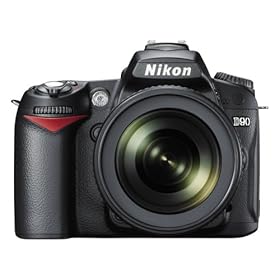
Nikon D90


This is the world’s first digital SLR stills camera that’s also capable of recording high-definition video. The D90 is trickier to use than a camcorder, though, as it must be manually focused in video mode, will shoot just a few minutes of HD footage at a time, and records sound only in mono. Still images, however, are of the highest quality — the 12.3Mp resolution is more than enough to make high-quality A3-sized prints, the light-metering system is almost infallible, and the standard lens is capable of both wide-angle and telephoto shots. But the autofocus is slow compared with others on test here.

Verdict: A classy — and expensive — stills camera with passable HD video.


BEST FOR COMPACT SIZE

Olympus E-520


The 10Mp E-520 is a very neat, nicely designed package with a particularly compact lens system, making it the ideal choice as a holiday camera. Rather than relying on the on-screen menu, the Olympus has a number of buttons on its body, which allow fast access to its many features, including an integral image stabiliser. This makes it a little intimidating at first glance, although the camera is in fact pretty easy to use. Picture quality is very good, but if you’re shooting at fast speeds, unwanted digital “noise” in your images can become something of a problem.

Verdict: A solid choice if overall size is a key factor for you.

BEST FOR EASE OF USE

Pentax K-M


This 10Mp SLR camera is one of the smallest and cheapest on the market, and yet it still has a really solid feel to it, and is particularly easy and comfortable to hold thanks to its thick handgrip. The controls have been simplified to just a few buttons situated on the rear, but it’s certainly not short of features— you just have to use the on-screen menus to get to them. This makes the K-m a very easy camera to use. With the same built-in shake reduction facility and anti-dust function (for self-cleaning after changing the lens) found on more expensive rivals, it turns in a very respectable performance indeed.

Verdict: A budget bargain that also happens to be a cinch to us

BEST FOR MAXIMUM IMAGE RESOLUTION

Sony Alpha 350


Sony is comparatively new to the world of digital SLR cameras, but its Alpha range has already established a reputation for innovation and value. The Alpha 350 offers a truly class-leading 14.2Mp resolution, so you’re able to make larger prints from it (up to 18in x 24in) while still retaining plenty of sharp detail. It’s also packed with features that will appeal to the more creative amateur photographer. The autofocus function works brilliantly, built-in image stabilisation is included, and the LCD monitor is on a pullout mount, so you can take shots from unusual angles.

Verdict: A feature-packed digital SLR that also happens to represent superb value for money.

BEST FOR HUGE RANGE OF LENSES

Canon EOS 1000D


Canon’s smallest and lightest digital SLR feels reassuringly solid in the hand, and is ready to shoot the instant you flick the on/off switch. The autofocus is fast and accurate, the 10Mp image is of very high quality, and the camera is compatible with Canon’s enormous range of lenses, which numbered 62 at the last count. The set-up of the controls is intuitive, so even beginners will feel at home with this camera within mere minutes. However, spend a little more on a higher-specification EOS model, and you’ll end up with a lot more features to play around with.

Verdict: A brilliant digital SLR, but rather lacking in personality.

-Daniel Lezano, Timesonline

Sunday, May 17, 2009

Sony T700


The Sony T700 is the coolest of the club and we think Sony have excelled themselves with this little digital camera. The front of the camera has a sliding lens cover the full size of the front which gently glides up and down to reveal the lens and flash and leaves a flawless finish when closed. The camera is only 16.4mm in depth so is perfect to slip into your pocket on a night out or will take up very little space in your hand bag or even purse.

Features
With 10 mega pixels, not only are you going to achieve extremely clear images but they can be enlarged to up to A3 size and stay extremely clear. Double Anti-Blur with Optical SteadyShot Image Stabilisation assists with this too ensuring and High Sensitivity IS0 3200 delivers clear images even in low light conditions. Other great features include 4GB of internal memory to store over 24,000 photos, a 4x optical zoom, Photo Album functions for organisation and Sharemark technology for resizing and labelling. Enhanced Face Detection with auto adult/child recognition optimises focus, exposure, white balance and skin tone while Intelligent Scene Recognition selects the correct shooting mode with Anti-Blink technology. There is also a 3.5" touchscreen display which fills the rear of the camera and has no other buttons at all on the back section. A HD output allows you to connect the T700 to an LCD/Plasma TV and view your images in the best possible quality.

Performance
It just gets better with the Sony Cybershot T700 as not only does the camera have some brilliant features it performs wonderfully too. Images achieved were full of vibrant colour and fine detail and displayed blacks and contrast and exposure really well. The T700 was quick to fire-up and quick between shots, no annoying waiting to take your next pic. The menu was really easy to navigate and all the programmes on board to manipulate your images work well and are very simple. Uploading is really easy too.

Overall Opinion
The Sony Cybershot T700 digital camera is great fun and very easy to use. Results are brilliant and the touch screen makes things that extra bit easier and fun. A good price for good results.

-unbeatable.co.uk

Thursday, April 9, 2009

Samsung TL34HD


The Samsung TL34HD is a no hassle point-and-shoot. Thanks to its touchscreen interface, it's one of the easiest compacts on the market to use. It has a 3.0-inch LCD that's extraordinarily big for such a small camera, and its 28mm lens lets you squeeze plenty of information into wide-angle shots. We weren't as enthusiastic over the LCD screen's lackluster quality, and some might be underwhelmed by the 3.6x zoom. The video quality, even in high-definition 720p, was largely unusable for anything beyond YouTube. On the other hand, still-image quality was solid across the board, and the Samsung TL34HD gives you both full-auto and full-manual controls. If you need a lithe, thoroughly intuitive camera for landscapes and portraits, the TL34HD is an easy sell.

Pros: Small footprint, even with the lens fully extended. Solid image quality. Intuitive touchscreen.

Cons: Mediocre display quality. Subpar video quality.

-infosyncworld.com

Sunday, March 22, 2009

Panasonic Lumix G1 camera


First Micro four thirds camera available now

The £600 Lumix G1 offers keen amateur photographers an alternative to bulky DSLRs and simpler compact and bridge cameras.

Which? has already got its hands on a G1, and has a First Look G1 video guide showing the basic and advanced features of this revolutionary 12Mp camera.

The Panasonic Lumix DMC-G1's official launch date is November 1, 2008, and its cost of £599.99 will include a standard 14-45mm kit lens.

The G1 was showcased at Photokina in Cologne this year and we reported on the G1 at the CEATEC exhibition at Tokyo last month. The G1 is the smallest camera with interchangeable lenses, and is neither a regular compact digital camera or a DSLR. It has been labelled as a 'Micro four-thirds camera', and there are rumours that Olympus are developing a similar model.
Panasonic G1 lenses

A second 45-200mm telefocal lens will also be released at the same time, and this will cost £329.99. If the two lenses are bought as a bundle, then the second lens will be sold for half price. With a lens adaptor, then the G1 is compatible with a variety of existing SLR lenses.

Three further lenses are scheduled for release in Spring 2009, including a 20mm pancake lens, a 7-14mm wide angle lens, and a 14-140 telefocal lens.
Digital camera market research

Panasonic's market research indicates that there are around 113 million compact camera owners worldwide, and that 23 million of them would be willing to upgrade to a digital SLR if they were smaller, lighter and easier to use. Those photographers are the market that Panasonic is targeting with the Lumix DMC-G1, and it plans to hold 15% of the digital camera market share by 2009.

The G1 is 20% lighter than the Panasonic L10 DSLR and has a 52% smaller footprint. The kit lens of the G1 is 20% lighter than that of the L10. Photos from the UK launch are available in the Which? technology Flickr gallery, including a comparison of cut-away G1 and L10 models, clearly showing the size difference and simplified optics.

The Panasonic G1 does not have a video mode, but Panasonic revealed at a UK press event in October that a new HD G1 model will be released in Spring 2009 and will feature an HD video mode.

Friday, February 6, 2009

Pixels aren’t everything—the lens still matters most

BY GREGORY COAN

I was a photographer long before I was a computer geek, and it has been both a blessing and a curse that the two fields have merged. This article is more of a philosophical explanation of digital camera technology rather than a specific product review, in the hopes it can clear up some of the marketing hype that engulfs the industry.

Historically, film cameras touted their features and their lenses. The most important investment one could make on camera hardware was the lens. This is still true for digital cameras, because it doesn't matter how many megapixels your camera can render—if you're filtering light through a cheap lens that is what will appear in your photos: soft corners, uneven focusing and bad color reproduction.

Film was (well, is still) sold at different ASA ratings. The lower the number, the finer the grain structure. In a way this can be related to the megapixel number on a camera sensor when it comes to print output. For instance, a 100ASA film can be printed much larger than an 800ASA film without the grain structure showing. The same holds true for digital cameras. Obviously a 25MP camera can yield much larger prints than a 5MP camera. If you are going to post most of your photos online, almost any current camera will suffice.

During the last year, the gap between point-and-shoot digital cameras and DSLR cameras has begun to overlap in that each can make pictures in the 14MP range. For a point-and-shoot camera, this is quite amazing. I bought a Canon 5D DSLR the first year it was released and now there are point and shoot cameras available that yield the same megapixels at about one-tenth the price. Naturally, you can't change lenses on a point-and-shoot, and there is less functionality, but the average consumer has so many good, affordable digital cameras to choose from now.

As a general buying guide you have to ask yourself some questions. The most important is, "Do I really need to have the highest megapixel camera available today?" Camera manufacturers are in the megapixel marketing war but don't for a minute believe this is the only thing you need in a camera. If you aren't ever going to print anything larger than 8-by-10 you could live with a really good 8MP camera.

Many people still bring their memory cards to photo labs for printing, but it's quite easy to get great photographic prints at home with modern inkjet printers. Part of the shopping budget should be allocated to getting a good printer if you are going to print yourself. Epsons and Canons still lead the pack. It's no less exciting to make a great print yourself in the digital "darkroom" as it is seeing the photo appear in a tray in a traditional darkroom.

The most important thing on any camera is still the lens. If you need quality options in lenses, you should consider a DSLR. You can buy a DSLR body for a reasonable price and then spend good money on quality lenses. Your pictures will be sharp and rich, beyond the quality of any film camera you've ever owned.

Of course DSLR's are bulky, and I love the small point and shoot digital cameras available today. Some of the best lenses are on the Panasonic Lumix line, as the glass is made by legendary camera company Leica. Canon and Nikon also make very nice point and shoot cameras.

It's great to see the large camera companies stay at the forefront of technology and I suggest you start with and research the name brands before considering a lesser known company because of a lesser price. Most of the time in digital photography, you get what you pay for.

Try to ignore image processing gimmicks that happen in-camera. One recent built-in feature I saw was called the "MakeUp" mode. This will try to automatically find and correct defects on people's skin in the image. Without getting into the argument about altering reality (which I'm not against), the thing to remember is the less the camera does to your raw image, the more control you will have over it in the end. It's fun to alter images, but you always want the original in the arrchive--think of it as you did your old film negatives.

Finally, remember there are plenty of costs beyond the initial purchase price of the camera itself. You will almost immediately have to buy more memory cards for the camera itself. A growing problem with cameras that produce greater than 10MP images is storage. Be prepared to buy extra hard drives or DVD media for backing up all the photos.

Photography habits have changed over the years. When I shot on a 36 exposure roll of film I was more careful what I was shooting. Now that I have huge amounts of digital capability I shoot more pictures, but I have to find a place to store them. In the end it may equal out to what we used to pay for film but it remains a concern as you shop for that perfect image companion.

Friday, January 2, 2009

Digital camera 'bargains' come at a price

Want to save money on your next camera? Watch out. Dishonest merchants are cashing in on bait-and-switch scams and gray-market goods. And gadget lovers — photographers in particular — are prime targets.

For example, I recently received e-mail from Kenneth, a beginning photographer. He found a great deal on a Canon lens. It was $400, about $150 less than on other sites.

Customer service soon called to verify his order. He was offered an upgrade to a "better" lens. He ended up spending $600 on a lens worth $140.

Kenneth got off relatively lightly. Others have lost larger amounts of money. And, Kenneth wasn't subjected to threats and verbal abuse like others I have heard from.

Gray-market electronics

A hallmark of unscrupulous sites is gray-market electronics. These electronics are intended for sale in other countries and generally make their way to the country.

Gray-market products are usually similar or identical to authorized versions intended for the U.S. market. Names and units of measurement may differ, though, and menus and instructions may be in a different language.

The biggest problem is with the warranty. Many companies won't honor warranties on gray-market electronics.

Some legitimate sites offer imported goods that cost slightly less than U.S. versions and are clearly labeled as imported. Unscrupulous merchants aren't clear about gray-market electronics.

The reel-in

Unethical merchants lure you in with incredible deals. For example, one site advertised a $1,800 Nikon D300 for about $1,000.

The ordering process goes smoothly. Then, a high-pressure salesperson calls to "verify" your online order. You may be offered a supposedly better deal. Or, you may be offered the U.S. version of the product. The U.S. warranty is a big selling point and you'll pay exorbitantly for it. And be careful: The warranty may come from the merchant, not the manufacturer.

Want a battery, cables and an instruction manual? They've been stripped from the box. You'll need to pay up. You're also pressured to buy a variety of accessories. Resist these tactics, and your camera may suddenly become unavailable.

Hidden dangers

The troubles don't end there. Shipping promises may not be kept. Buyers have also reported extra credit card charges.

Don't expect returns to be easy, either. Return authorization may be refused.

Customer service representatives may curse at you. At the least, you'll be met with hostility. Refunds can take weeks.

Fortunately, spotting deceitful merchants can be easy. Look for electronics priced hundreds of dollars less than competitors. Accessories like memory cards and batteries will be overpriced. You may see dirt-cheap lenses from big names like Nikon and Canon. Third-party lenses will be extremely overpriced.

Check reputation online

Before buying, do a Google search on the merchant to learn about other buyers' experiences on message boards and in blogs. Ask about the merchant in forums.

Check reviews on shopping sites. Good reviews can be faked, so just read negative reviews for warning signs.

Be wary of merchants that call to verify orders. This is usually a thinly veiled sales opportunity.

Unscrupulous merchants are trying to stay a step ahead. They may operate numerous sites. Periodic name changes are common.

That makes it more difficult to know if a site is legitimate. Also, it helps the merchant evade authorities. These merchants are frequently sued for false advertising and other illegal tactics.

Camera buyers are most at risk, but any shopper can fall victim to these sites.

-cyber speaks Kim Komando

Monday, December 29, 2008

Olympus SP-570 UZ digital camera

How does this super zoom perform?


Some super zooms look a little uncomfortable in their shells – a fusion of huge lens body stuck on an otherwise fairly compact camera. The Olympus takes a slightly more macho approach, looking more like a compact SLR than some of its competitors, see for example, the Nikon P80 or Fujifilm’s FinePix S8100fd, both recently reviewed here on Pocket-lint. The Olympus SP-570 UZ, however, brings a mite more zoom to the party.

The camera is fairly well laid-out, giving you access to a huge number of options, both via hard buttons and through the menus. The back is dominated by a very good, crisp, 2.7in LCD screen, the normal round four-way and enter buttons, plus options for reviewing images, shadow adjustment, display and menus, and an AE and AF lock option, hinting at some of the more advanced features on offer.

Main mode controls, however, are handled by one of the dials on the top, which sits atop the main power switch. There is also a second dial on the top (which we will come back to later) and a conveniently placed exposure compensation button. Main modes accessed through the dial include a full auto mode; programme which handles aperture and shutter speed for you (P); aperture priority (A); shutter priority (S); full manual (M); My Mode, scene, guide, video capture and image review – a fair number of options.

The Guide is somewhat strange is it gives you basic operation guidelines, but does allow you to activate some of those options directly, which is great for novices. However, it might be a little difficult to get stuck as there are a huge number of scene modes you can select, from the normal landscape and portrait modes, right through to auction, behind glass, snow, beach and so on. All these scenes might make the SP-570 UZ appeal to the less experienced photographer.

Of course, those who know what they want to achieve, or more advanced users, can opt for the other modes, P, A, S, M and My Mode. These advanced modes begin to make use of the additional dial on the top, which will flick through settings without having to move your thumb down to the back controls, which makes it comfortable to use.

My Mode allows users to define their own settings and store four original modes of their own, which will be handy for those who want to take shots of a particular type which are not already catered for; the process is simple too and can include things like flash settings as well.

The flash is a manual pop-up option, and although you’ll be alerted to the need for flash on the display, you’ll have to press the button yourself. There are a range of flash options, including various types of red-eye prevention. For those looking to get more from a flash, there is a standard hot shoe plate on the top.

Besides the LCD on the rear there is an electronic viewfinder, with a dioptre adjuster. Switching to the EVF is via another button on the back of the camera, which switches off the LCD (except for image preview). As is often the case, the EVF doesn’t really give you a very good image and suffers when compared to the sort of image you’d get from a TTL SLR.

So moving to the 20x optical zoom: this is motor driven and controlled via the ring around the lens. It can be a little slow to respond whilst moving from the wider angle and into the zoom as the hardware moves around inside. You get a 26-520mm (equiv.), so not terrifically wide-angle, but an impressive range none the less. There is an additional digital zoom, which you’d hope would be unnecessary, and unless you have a tripod, a stationary subject and perfect conditions, is not worth enabling.

Of course, even at the far end of the optical zoom, camera shake is an issue, so it needs to be very well supported. The camera does feature dual image stabilisation, which will aid in reducing blur, but the more you zoom, the greater the effect it is trying to counter: the image stabilisation is better put to task capturing images with lower ISOs.

ISO seems to be something of a yoyo factor and you’ll often find that the ISO is boosted to capture the image you want, which may result in the quality dropping off as noise becomes more apparent. At higher ISOs the sensor drops down to less pixels too to try to keep things under control, but noise is still apparent, so controlling the ISO through the settings is preferable to accepting that which the scene selection might give you.

Back to the lens and we found performance reasonable across a range of situations, if you control the shake then you’ll get good images towards the far end of the zoom, although dark corners do start to appear in brighter conditions. At the wide angle there is noticeable barrel distortion which can be seen on the LCD viewfinder, but you’d expect to find these things on this type of set-up.

Certainly, the zoom offers you a range of options that you simply don’t get on other types of camera, not from your compact and not without investing in more lenses for your SLR.

At times, bright conditions can be a little overwhelming resulting in a lack of detail in highlights or a leaching of colours. There is also evidence of chromatic aberration resulting in softer images which don’t have the sharp detail you might be looking for. Colours can be well represented, but we found as the light dropped, the colours tended to become too vivid, out of balance with surroundings.

But there is also a whole host of technology packed into the SP-570 UZ, such as face detection and a smile shot option. You can also capture images at 13fps (but only at 3MP) and there are some neat multi-shot options so you can get the exact frame of action you want. The latter of these options becomes something of a necessity because the shooting cycle can feel a little slow, especially compared to an SLR, but are also great fun to play back, watching changing expressions and so on.

There is also an intelligent panoramic option which is a breeze to use, but you do need an Olympus xD-Picture Card to take advantage of this. Arguably this is also one of the shortcomings of this camera – the reliance of the xD-Picture Card over the dominant SD/SDHC format (although this looks set to change in their cameras for the future). Olympus do themselves no favours by not supplying a card in the box either.

Battery life is also something of an issue. The camera takes four AA batteries, housed in the right-hand grip, and we found that we only got around 200 shots from full rechargables (2500mAh) and this was almost all without flash. This is an obvious disadvantage of a powered zoom so access to rechargables is a must – at least AA batteries are easy to get hold of.

Verdict

With so many features on offer, it is impossible to cover all of them without rewriting the manual. The Olympus SP-570 UZ looks good, feels good in the hand and build quality is impressive. But with every super zoom camera compromises have to be made. This arrangement will let you capture images that you might otherwise miss and with good light in the middle-zoom ranges you can get some great shots. However, at the price being asked for, you can find cheaper alternatives in the super zoom category.

Super zooms often appeal to those who want to get close to the action for holiday photos, on safari, for example, but if yourself wanting a zoom on a regular basis, then stepping up to a DSLR model will get you better results, albeit at additional cost.

-pocket-lint

Sunday, November 30, 2008

Canon PowerShot SD1100 IS, Holiday Gift Guide 2008


Holiday Gift Guide 2008: The best digital cameras under $200


Okay, let’s get real. A lot of us are just not going to be ready, willing or able to plunk down $500 on a digital camera this holiday season, no matter how much we adore our gift recipients. So for the rest of us, here’s a list of my favorite digital cameras for under $200.

Canon PowerShot SD1100 ISCanon PowerShot SD1100 IS
I’ve always been a big fan of Canon’s Digital Elph point-and-shoots and though this isn’t my favorite of the Canon models, it’s hard to beat the SD1100 IS’s image quality at this price. It’s an 8.3-megapixel model and serves up a 3x optical zoom lens (38-114mm equivalent f/2.8-4.9), optical image stabilization (as with all the Canons that include IS in their names), face detection, an optical viewfinder, and a 2.5-inch LCD.

The SD 1100 IS can detect up to nine faces in a scene and use them to set exposure and focus. It uses face detection to remove red-eye automatically as you’re shooting and to calculate white balance for better skin tones. It can even let you choose a specific face in a scene to track as it moves around the scene you’re shooting. Canon’s Motion Detection Technology also uses face detection to determine if your subject is moving and adjusts settings to prevent motion blur.

Top that with relatively fast performance and minimal shutter lag (not to mention five metallic colors to choose from) and you’ve got a super deal that anyone would be pleased to find under the tree.

Janice Chen Zdnet

Friday, September 19, 2008

Samsung reveals NV24HD digital camera


What do you call a digital camera that's neither an SLR nor a superzoom nor an "ultraslim" compact? For lack of a sexier term, we've settled on standard compact. That makes these cameras sound like photography's version of the sensible sedan, but in fact this is the biggest category in cameras, spanning everything from $50 bubble-pack specials to the sophisticated models here, this year's top choices.

Smaller than superzoom compacts, standard compacts accommodate more features and overall imaging power than their ultraslim cousins. Some even accept accessories from their makers' D-SLR systems, such as hotshoe-mount flashes and off-camera TTL cords. Standard compacts are also usually more comfortable to hold than ultraslims, and unlike the latter they often still have optical finders -- allowing eye-level viewing for steadier shooting than is possible with now-familiar arms-length LCD-screen composition. Last but not least, because they aren't trying so hard to stay small or achieve superzoom-level magnification, standard compacts are often less expensive than other kinds of point-and-shoots with otherwise comparable features.

If there's anything more useful in a compact camera than having a 28mm-equivalent focal length, it's having a 24mm-equivalent focal length -- at least if you're photographing the city, a wide-open landscape, or in a small interior. Twenty-four millimeters is where the Samsung NV24's lens starts zooming, ending up at the equivalent of 86.5mm -- a moderate tele focal length long enough to minimize apparent distortion in tight portraits.

If that snug interior you're shooting is dimly lit, you're also in good shape. At 24mm, the NV24's zoom has a maximum aperture of f/2.8, which along with the NV24's lens-based image stabilization and top sensitivity of ISO 3200 helps minimize blur. (The lens slows to a not-so-bright f/5.7 at the long end.) For videos of spaces wide or claustrophobic you have the option of 1,280 x 720 pixels at 30fps, with high-definition 720p HDMI output to an HDTV through an accessory cradle (about $50). And if your HDTV happens to be a new Samsung model, you can navigate through the camera menus using the television's remote control.

The Samsung NV24's viewing screen is probably the first on your block -- an active-matrix organic LED (AM-OLED) rather than a conventional LCD. AM-OLEDs have a wider color gamut and faster "redraw" (the speed at which image-forming elements actually change), and can be made thinner too. The buzz among videophiles is that the flat-screen TVs of the future will be OLEDs. (Samsung is already showing some OLED TV prototypes.) Adding to the multimedia savvy of the NV24 is a Multi-Slide Show mode that lets you create transitions in-camera.

The array of buttons along two sides of the NV24's screen may seem intimidating at first, but they actually make settings simpler and faster by reducing the amount of menu-scrolling you have to do. One pushbutton mode is Self Portrait, in which the shutter won't fire unless a subject is in the center of the frame. That may not be the best composition, but at least you won't crop off your own head.

-infibeam

Saturday, August 9, 2008

The toughest digital camera on the market?


I've seen many a digital camera die a slow and painful death while on the road. Sand that got caught in the lens mechanism. LCD screens cracked by bumper-car-joyrides. Accidental drops on unforgiving pavement. Not to mention those of us who abuse our cameras in adverse situations involving water, dust and extremes of temperature.

For anyone who's ever risked their digital to get a great shot but lost a nice camera in the process, I recommend checking out the Olympus Stylus 1030SW. According to the reviews I've found at Travel Gear Blog, as well as on CNET, the 1030W is one of the sturdiest cameras on the market. In addition to being waterproof and dustproof, the Olympus is also shockproof, crushproof and freezeproof down to 14 degrees Fahrenheit.

How durable is that exactly? According to specs, you can drop it from up to 6.6 feet and crush it with up to 220 pounds of pressure. While the 1030 SW can't match the optics of some of the top-of-the-line point-and-shoots out there, it does offer a solid 10.1 megapixels and the standard digital camera features like panorama stitching and image stabilization we've come to expect from most consumer point-and-shoots these days.

All you skiiers, snorkelers and adventure-travelers take note. Although there are better cameras on the market for image quality, this Olympus packs some great features into a highly durable package. Sometimes avoiding the aggravation of a ruined camera is worth that small sacrifice in functionality.


-Jeremy Kressmann

Thursday, June 26, 2008

Best Middle Size Digital Camera


Imaging Resource Picks section. They're well known for their exhaustive testing of digital cameras. They investigate various aspects of each digital camera to help you pick the best one for your needs. But they know that sometimes you just want someone with experience to tell you which digital camera to buy. To serve that need, they've revamped their Picks to get straight to the point, listing your top digital camera choices by category.


Best Middle Size Digital Camera


Canon PowerShot G9

12.1 megapixels, 6.00x zoom
$474.36


Canon updates a classic "enthusiast" model, delivers a real winner! Sometimes, you just don't have the space or patience to lug along your SLR and several lenses, but still want good image quality, and plenty of manual control and flexibility to let your creativity express itself. That's where a camera like the Canon G9 comes in. The Canon G9 is the latest in one of the most famous product lines in the digicam industry, stretching all the way back to the original G1 first introduced in the Fall of 2000. The most recent G7 model drifted from its enthusiast-oriented roots a little bit, dropping RAW file capability, but that's been restored in the new G9. Old G-series fans will miss the original swivel-screen, but the big, bright 3" LCD on the G9 may console them a little. What most impressed us about the Canon PowerShot G9 though, was its image quality: Great color with loads of resolution. Like many high-megapixel cameras these days, it suffers a little from image noise at low ISO settings, but its important to keep in perspective just how fine-grained that noise will be at any reasonable print size. We found that even ISO 400 & 800 shots made surprisingly decent-looking 8x10 inch prints. Talk about detail: Who'd have imagined being able to make great-looking 16x20 prints from a "pocket" digital camera even a few years ago?


Panasonic Lumix DMC-LX2
10.2 megapixels, 4.00x zoom
$388.11


A widescreen digicam with broad appeal. The Panasonic Lumix LX2, like its predecessor the LX1, is clearly inspired by the surging popularity of widescreen (16:9) televisions. Employing a unique set of "triple-wide" features, the Lumix LX2 combines a 28mm wide-angle Leica lens, a 16:9 wide CCD, and a 16:9 wide LCD. If you're the type who likes to count pixels, the DMC-LX2 has a 10 megapixel CCD that uses the full resolution of the sensor when shooting at 16:9. The Panasonic LX2 now has a 2.8-inch LCD that lets you see the entire wide-angle shot on the screen without letterboxing. (The LX1 had a 2.5-inch display which letterboxed 16:9 shots.) Other improvements include Panasonic's new LSI Venus Engine III image processor which is designed to lower noise at higher ISOs, and a new Intelligent ISO Control (I.I.C.) system which detects subject movement and automatically adjusts ISO and shutter speed to suit the lighting conditions. Even without these changes, there a lot to talk about with the Lumix LX2 including many impressive manual options and Panasonic's tried-and-true MEGA O.I.S. (Optical Image Stabilizer)


Canon PowerShot A720 IS
8.0 megapixels, 6.00x zoom
$197.06


A capable all-around digital camera with high-end features at a great price Canon seems to offer a digital camera for every kind of customer, and the Canon A720 IS was made for those who want all the performance at a low price. With an 8-megapixel sensor, a 6x zoom, optical image stabilization, face detection, high ISO, and both a 2.5-inch LCD and an optical viewfinder, the Canon A720 IS has just about everything. Minor compromises are the low-resolution LCD and a slow flash-recharge cycle. The Canon A720's excellence is in the lens: While it's a 6x zoom, it is impressively sharp in the corners, and chromatic aberration is kept relatively low. As a result low ISO images from the Canon A720 print well at 13x19 inches, and even ISO 1,600 shots are usable at 4x6. Good shot-to-shot times and good shutter lag numbers mean that the Canon A720 will be a good no-nonsense digital camera for kids and pets, one that will double as a good video camera with 640x480 recording at 30fps.

Thursday, June 19, 2008

Best Consumer SLR Digital Camera


Imaging Resource Picks section. They're well known for their exhaustive testing of digital cameras. They investigate various aspects of each digital camera to help you pick the best one for your needs. But they know that sometimes you just want someone with experience to tell you which digital camera to buy. To serve that need, they've revamped their Picks to get straight to the point, listing your top digital camera choices by category.


Best Consumer SLR Digital Camera


Nikon D40
6.1 megapixels, 3.00x zoom
$494.78


A surprisingly excellent SLR that will take the market by storm We've been pleasantly surprised with the Nikon D40's excellent performance in low light and its simple grace as a day-to-day shooter. The Nikon D40 is a natural fit in most hands. Its controls are where they should be for easy use, and the D40 is a well-behaved guest at parties with its soft shutter sound. A big, bright LCD is great for reviewing photos from a wide variety of angles. The Nikon D40's low light performance at ISO 1,600 is startling, even without noise reduction turned on. It's so good that we don't really feel like we're pushing the D40 until we jump into ISO 3,200. The Nikon D40 stands up well against the competition -- even those with higher resolution -- with great image quality at all speeds, and near-perfect utility as a family camera. It's tough to ask for more. The Nikon D40 lives up to our expectations, and even exceeds them.


Canon EOS 400D Rebel XTi

10.1 megapixels, 3.00x zoom
$620.64


Seriously excellent digital SLR with improved autofocus and a three-stage anti-dust system My first experience with the Canon Digital Rebel XTi was positive. It offers more of what you'd seek from a higher-end camera like the Canon EOS 30D at a much lower price. It's also smaller and easier to bring along, which is no small consideration when you want quality pictures on vacation. It can't quite reach to the EOS 30D's ISO 3,200 mode (it's limited to ISO 1600), nor does it have the benefit of 1/8,000 second shutter speed (it's limited to 1/4,000). But the Rebel XTi has something no other EOS has: automatic dust removal and abatement technology, plus a way to digitally subtract dust when a more thorough manual cleaning isn't possible. This important technology will doubtless make it into other EOS cameras, but for now the Canon Rebel XTi is the only self-dusting digital SLR available from Canon. From what I've seen the Canon Digital Rebel XTi will be an excellent take-anywhere all-purpose digital SLR, and will now better serve as a second camera for owners of Rebel XT, 20D, 30D, and 5D cameras who want to keep a second body with a different focal length strapped around their neck. More pixels, a bigger LCD, and dust reduction are great, but faster AF is the true benefit to the Rebel XTi


Olympus EVOLT E-510
10.0 megapixels, 3.00x zoom
$656.53


The E-510 is a well-rounded SLR with more than a few tricks up its sleeve With just the right combination of features and a mature set of lenses, the Olympus E-510 gives the Four-Thirds system a strong contender in the ongoing battle of the digital SLRs. No longer trying to forge new body shapes, Olympus has crafted the E-510 to fit the hand well and lead the pack with innovative features. While matching the competition's standard specs of a 10 megapixel sensor, 2.5 inch LCD, and 3.1 frames per second, they've included their second generation Live View technology and sweetened the deal with sensor-shift image stabilization. As the Olympus E-410 wooed us with is svelte figure, the E-510 set about making better quality images and proving itself a fit rival for a place in your bag. As with all cameras, there are a few issues, but we were most impressed with the Olympus E-510's edge-to-edge image sharpness, thanks to the good quality kit lens; and its high ISO shots fared well against larger sensor designs. Live View, for its part, can easily be misunderstood, but its virtues are worth discovering, and make the E-510 a compelling choice for the creative photographer


Thursday, June 12, 2008

Best Family Digital Camera

Imaging Resource Picks section. They're well known for their exhaustive testing of digital cameras. They investigate various aspects of each digital camera to help you pick the best one for your needs. But they know that sometimes you just want someone with experience to tell you which digital camera to buy. To serve that need, they've revamped their Picks to get straight to the point, listing your top digital camera choices by category.


Best Family Digital Camera

Canon PowerShot S3 IS

6.0 megapixels, 12.00x zoom
$307.01


Canon's flagship long zoom digicam gets better and better Offering a complete range of auto and manual exposure controls, the Canon PowerShot S3 IS is equally suited for novice users and experienced amateurs alike, with a big image-stabilized zoom for getting the shot no matter the situation. The Canon S3 IS's Auto mode keeps things simple for novices, while the manual settings offer the opportunity to take more control when you need it. Its 6.0-megapixel CCD captures high quality images, quite suitable for printing as large as 8x10-inches with good detail, and the increased sensitivity to ISO 800 with image stabilization is a better attack on red-eye than using the flash in red-eye reduction mode. The design is reasonably compact given the increased magnifying power of the 12x optical zoom lens, and the camera should fit in a larger coat pocket or be comfortable when using the neckstrap. The Canon S3 IS reaches beyond the normal limits by offering not only a long-ratio zoom lens, but a very effective image-stabilization system as well, that makes the long lens much more usable than it would be otherwise. Even at wide angle, image stabilization can help capture available light images without blur as low as 1/4 second shutter speeds. The Canon S3 IS also offers a movie mode capable of nonstop recording to the limits of the memory card's capacity, even at 640x480 resolution and a 30 frame/second frame rate. The PowerShot S3 IS is priced competitively, but its features and capabilities set it apart from the myriad camera choices in its price range, so the price will drop only slowly. If you're looking for a long-zoom camera with image stabilization that captures excellent photos and videos, the PowerShot S3 IS looks like a great choce.


Sony Cyber-shot DSC-H3
8.0 megapixels, 10.00x zoom
$271.51


Packed with features, the Sony H3 has a fast shutter, a long zoom, and turns out great 13x19-inch prints Sony has developed a knack for packing a lot of high-end value in the entry-level model of each of their digital camera lines. In the long-zoom H-Series, the Sony H3 continues that trend with a 10x optical zoom, Advanced Sports mode, a Bionz processor, face detection technology, High ISO, Super SteadyShot, in-camera editing, and HD output signal. Gone is the electronic viewfinder found on the other H-series digital cameras, and the Sony H3's LCD has shrunk from 3.0 to 2.5 inches. That, along with a move to lithium-ion power from AA power, makes the Sony Cyber-shot H3 a much smaller camera. The real appeal of the Sony H3, though, is its image output quality: ISO 100 shots look great at 13x19, and even ISO 400 shots look good at 11x14. A good candidate as the enthusiast's second camera, the Sony H3's fast shutter, 10x zoom, and image stabilization make it a great digital camera for anyone looking for a little more quality in a small, long zoom package


Thursday, June 5, 2008

Best Enthusiast Digital Camera


Imaging Resource Picks section. They're well known for their exhaustive testing of digital cameras. They investigate various aspects of each digital camera to help you pick the best one for your needs. But they know that sometimes you just want someone with experience to tell you which digital camera to buy. To serve that need, they've revamped their Picks to get straight to the point, listing your top digital camera choices by category.


Best Enthusiast Digital Camera


Canon PowerShot G9
12.1 megapixels, 6.00x zoom
$474.36


Canon updates a classic "enthusiast" model, delivers a real winner! Sometimes, you just don't have the space or patience to lug along your SLR and several lenses, but still want good image quality, and plenty of manual control and flexibility to let your creativity express itself. That's where a camera like the Canon G9 comes in. The Canon G9 is the latest in one of the most famous product lines in the digicam industry, stretching all the way back to the original G1 first introduced in the Fall of 2000. The most recent G7 model drifted from its enthusiast-oriented roots a little bit, dropping RAW file capability, but that's been restored in the new G9. Old G-series fans will miss the original swivel-screen, but the big, bright 3" LCD on the G9 may console them a little. What most impressed us about the Canon PowerShot G9 though, was its image quality: Great color with loads of resolution. Like many high-megapixel cameras these days, it suffers a little from image noise at low ISO settings, but its important to keep in perspective just how fine-grained that noise will be at any reasonable print size. We found that even ISO 400 & 800 shots made surprisingly decent-looking 8x10 inch prints. Talk about detail: Who'd have imagined being able to make great-looking 16x20 prints from a "pocket" digital camera even a few years ago?


Panasonic Lumix DMC-FZ50

10.1 megapixels, 12.00x zoom
$481.11


Long zoom, high res digicam delivers great prints Panasonic's Lumix FZ50 takes the company into new territory in terms of resolution, matching the resolution of many popular SLRs, and exceeding their zoom abilities with one very long 12x, 35-420mm Leica zoom. Though the Panasonic FZ50 is as big as an SLR, there are a few tradeoffs in terms of image quality. The sensor's smaller size means that the noise suppression systems have to work harder to erase the considerable noise that occurs even at the Lumix FZ50's lowest ISO setting. That's the story for all 10-megapixel sensors in digicams, though. The good news is that the Panasonic FZ50's print performance is quite good, producing nice 13x19 inch prints. Our favorite feature is the FZ50's mechanical zoom mechanism, which does more to equal the framing control offered by an SLR. It also allows quiet zooming while capturing video, a little-noted problem for most long zoom digicams. It's all wrapped up with a refined Panasonic menu system with enough automatic and manual exposure modes to please all types of shooters. For those looking for a great all-purpose digicam and don't mind the extra heft and size, the Panasonic FZ50 is a great choice.


Thursday, May 29, 2008

Best Professional SLR Digital Camera

Imaging Resource Picks section. They're well known for their exhaustive testing of digital cameras. They investigate various aspects of each digital camera to help you pick the best one for your needs. But they know that sometimes you just want someone with experience to tell you which digital camera to buy. To serve that need, they've revamped their Picks to get straight to the point, listing your top digital camera choices by category.


Best Professional SLR Digital Camera


Nikon D300

12.3 megapixels
$1,770.78


A digital SLR for people who are serious about photography. Nikon's D300 is easily one of the finest digital SLR cameras on the market. Its 12.3-megapixel sensor delivers stunning images up to ISO 6,400, and its 14-bit A/D conversion means you can get better quality in your JPEG and RAW images with the Nikon D300. Out-of-the-box, the Nikon D300 will shoot six frames-per-second, and track a moving subject by combining data from its AF system with information from its metering system. The Nikon D300's big, bright viewfinder is easy to use and its LCD is gorgeous for both menu and photo viewing. Its Live View modes leave something to be desired, but they're nice to have nonetheless. The Nikon D300 feels solid, and is designed with the serious photographer in mind. In fact, being a serious photographer is a requirement with the D300, because there's a lot to learn, and no hand-holding mode to just let you shoot it like an instamatic. You have to think, you have to pay attention; and if you do, the D300 will reward you with terrific pictures.


Canon EOS 40D
10.1 megapixels
$1,211.28


The great just gets better: the 40D is a rock-solid choice among digital SLR cameras. In many ways the Canon EOS 40D seems a bit behind the market, coming late to the 10-megapixel game. But the image quality speaks for itself: Canon was right to wait until they could do it very well. Images captured from ISO 100 to 800 are essentially no-compromise when printed at 13x19 inches. Canon added a lot of new technology along the way, making the Canon 40D's spec sheet seem pretty flashy. But the camera itself is more about capturing great images for its owner than being the latest bit of bling around someone's neck. Its Live View mode doesn't just provide "gee whiz" flash, it actually helps you focus on that 3.0-inch LCD, and the 40D's new electronic first curtain cuts the noise of capture in Live View to half, great for low-impact wildlife photography. From its 6.5-frame-per-second continuous mode speed to its larger buffer and long list of custom functions, the Canon 40D is built with the intermediate to professional photographer in mind. Of course, it'll serve anyone who wants a reliable, well-built camera that will bring home great shots time after time.

Thursday, May 22, 2008

Best Pocket Digital Camera

Imaging Resource Picks section. They're well known for their exhaustive testing of digital cameras. They investigate various aspects of each digital camera to help you pick the best one for your needs. But they know that sometimes you just want someone with experience to tell you which digital camera to buy. To serve that need, they've revamped their Picks to get straight to the point, listing your top digital camera choices by category.


Best Pocket Digital Camera

Canon PowerShot SD950 IS Digital ELPH
12.1 megapixels, 3.70x zoom
$366.56


A versatile take-anywhere camera with excellent print quality Canon's PowerShot SD950 IS is blessed with image stabilization, a longer zoom lens, and a stunning 12.1-megapixel sensor. We're not usually impressed with increased pixel counts, but Canon tweaked both optical and image quality to handle the higher resolution and output impressive 16x20-inch images from the Canon SD950 IS that frankly blew us away. A new 3.7x lens graces the Canon SD950 IS, offering just a little extra reach; the bright 2.5-inch color LCD monitor is excellent for framing and reviewing shots; and the overall design and layout of the Canon SD950 is user-friendly and hassle-free. If you're looking for a good, take-anywhere camera with great versatility, good color and tonality, and striking printed output, the Canon SD950 IS deserves a very close look.


Sony Cyber-shot DSC-W200
12.0 megapixels, 3.00x zoom
$284.51


A capable digital camera that's also small and pocket-friendly Sony's Cyber-shot W200 is among the few 12-megapixel pocket digital cameras on the market, and is of surprisingly good quality, consistent with the W-series. Though not as slim as the T-series, the Sony W200 is still quite small and pocket-friendly. The Sony W200's 2.5-inch LCD, 3x zoom, and lithium-ion battery are standard fare, but its Super SteadyShot optical image stabilization and face detection make it a good contender in the digital camera market regardless of size. Image quality was good, though the highest ISO of 3,200 was really not that usable except as a small Web image. Noise suppression prevents the Sony W200's ISO 100 output from achieving 13x19-inch prints, but 11x14's are good. For the size, the Sony W200 turns in a good performance.

Canon PowerShot SD1000 Digital ELPH

7.1 megapixels, 3.00x zoom
$177.25


The SD1000 is wonderfully simple, gorgeous to behold, and produces great images Canon's new PowerShot SD1000 Digital ELPH has a futuristic, yet retro look that is almost identical to the original, film-based ELPH, introduced back in May 1996. In addition to its compact size and eye-catching design, the 7-megapixel SD1000 has a standard 3x optical zoom with a 35mm equivalent focal range of 35-105mm, a 2.5-inch LCD, and an optical viewfinder. Exposure is automatic, and a new on-demand Auto ISO Shift feature bumps the light sensitivity up to a maximum of 800 with the push of a button. White balance options include auto, several presets, and custom (manual). The SD1000 utilizes Canon's DIGIC III processor and offers new face detection technology and in-camera red-eye correction. The Canon PowerShot SD1000 will instantly be usable for anyone already familiar with Canon compacts, and will only take a few minutes for everyone else to become quite comfortable.


Thursday, May 15, 2008

Best Mom Digital Camera

Imaging Resource Picks section. They're well known for their exhaustive testing of digital cameras. They investigate various aspects of each digital camera to help you pick the best one for your needs. But they know that sometimes you just want someone with experience to tell you which digital camera to buy. To serve that need, they've revamped their Picks to get straight to the point, listing your top digital camera choices by category.


Best Mom Digital Camera


Nikon D40
6.1 megapixels, 3.00x zoom
$494.78


A surprisingly excellent SLR that will take the market by storm We've been pleasantly surprised with the Nikon D40's excellent performance in low light and its simple grace as a day-to-day shooter. The Nikon D40 is a natural fit in most hands. Its controls are where they should be for easy use, and the D40 is a well-behaved guest at parties with its soft shutter sound. A big, bright LCD is great for reviewing photos from a wide variety of angles. The Nikon D40's low light performance at ISO 1,600 is startling, even without noise reduction turned on. It's so good that we don't really feel like we're pushing the D40 until we jump into ISO 3,200. The Nikon D40 stands up well against the competition -- even those with higher resolution -- with great image quality at all speeds, and near-perfect utility as a family camera. It's tough to ask for more. The Nikon D40 lives up to our expectations, and even exceeds them. See the full review for more on the superb Nikon D40. The Nikon D40 is one great camera!


Canon PowerShot SD950 IS Digital ELPH
12.1 megapixels, 3.70x zoom
$366.56


A versatile take-anywhere camera with excellent print quality Canon's PowerShot SD950 IS is blessed with image stabilization, a longer zoom lens, and a stunning 12.1-megapixel sensor. We're not usually impressed with increased pixel counts, but Canon tweaked both optical and image quality to handle the higher resolution and output impressive 16x20-inch images from the Canon SD950 IS that frankly blew us away. A new 3.7x lens graces the Canon SD950 IS, offering just a little extra reach; the bright 2.5-inch color LCD monitor is excellent for framing and reviewing shots; and the overall design and layout of the Canon SD950 is user-friendly and hassle-free. If you're looking for a good, take-anywhere camera with great versatility, good color and tonality, and striking printed output, the Canon SD950 IS deserves a very close look.


Canon PowerShot SD1000 Digital ELPH

7.1 megapixels, 3.00x zoom
$177.25


The SD1000 is wonderfully simple, gorgeous to behold, and produces great images Canon's new PowerShot SD1000 Digital ELPH has a futuristic, yet retro look that is almost identical to the original, film-based ELPH, introduced back in May 1996. In addition to its compact size and eye-catching design, the 7-megapixel SD1000 has a standard 3x optical zoom with a 35mm equivalent focal range of 35-105mm, a 2.5-inch LCD, and an optical viewfinder. Exposure is automatic, and a new on-demand Auto ISO Shift feature bumps the light sensitivity up to a maximum of 800 with the push of a button. White balance options include auto, several presets, and custom (manual). The SD1000 utilizes Canon's DIGIC III processor and offers new face detection technology and in-camera red-eye correction. The Canon PowerShot SD1000 will instantly be usable for anyone already familiar with Canon compacts, and will only take a few minutes for everyone else to become quite comfortable.


Thursday, May 8, 2008

Best Budget Digital Camera


Imaging Resource Picks section. They're well known for their exhaustive testing of digital cameras. They investigate various aspects of each digital camera to help you pick the best one for your needs. But they know that sometimes you just want someone with experience to tell you which digital camera to buy. To serve that need, they've revamped their Picks to get straight to the point, listing your top digital camera choices by category.


Best Budget Digital Camera


Canon PowerShot A570 IS
7.1 megapixels, 4.00x zoom
$152.67


Canon's A570IS: Affordable Image Stabilization and great pictures! The Canon A570 IS stands out for its usable ISO as high as 1600 and excellent image stabilization so useful you'll always want it active. Considering you get that for just $50 over the price of the quite similar A560, it's a bargain, too. Digital zoom was a bit of a disappointment on this 7.1-megapixel digital camera, but otherwise the DIGIC III image processor provided above average performance yielding some wonderfully natural shots in a variety of settings. From the optical viewfinder to the manual modes, whenever we looked for a feature a photographer would appreciate, we found it on the Canon A570 IS. There isn't the huge LCD (with no room for a viewfinder) or extravagant zoom range (with big compromises in optical quality) or any of the frills (frames, in-camera presentations) of many less capable digicams. But if you want a compact digicam that can take pictures like a real camera, you won't go wrong with this solid player


Fujifilm FinePix Z5fd
6.3 megapixels, 3.00x zoom
$138.98


The Fuji Z5fd looks great at a party and brings the best moments home The Fujifilm FinePix Z5fd is an ultracompact digital camera with style, one that brings some unique features to the table. Including fast face detection that works before and after capture, intelligent flash that considers focus distance, and natural light shooting with a flash backup, the Fuji Z5fd has just what you need from a small, take-everywhere snapshooter. And it looks good at a party. Even better, the Fuji Z5fd is a lot of fun to shoot with. Part of the fun is that those unique features are not just useful, but easy to use; and the sliding lens cover makes powering the Fujifilm Z5fd on as easy as turning it off, protecting it well enough to slide back into a pocket or bag. The Fuji Z5 has the usual problems of chromatic aberration at wide angle, as well as trouble at high ISO, but those are standard fare with a camera of this size. Overall, the lens test results for the Fuji Z5fd are quite good, as are the printed results.


Canon PowerShot SD1000 Digital ELPH
7.1 megapixels, 3.00x zoom
$177.25


The SD1000 is wonderfully simple, gorgeous to behold, and produces great images Canon's new PowerShot SD1000 Digital ELPH has a futuristic, yet retro look that is almost identical to the original, film-based ELPH, introduced back in May 1996. In addition to its compact size and eye-catching design, the 7-megapixel SD1000 has a standard 3x optical zoom with a 35mm equivalent focal range of 35-105mm, a 2.5-inch LCD, and an optical viewfinder. Exposure is automatic, and a new on-demand Auto ISO Shift feature bumps the light sensitivity up to a maximum of 800 with the push of a button. White balance options include auto, several presets, and custom (manual). The SD1000 utilizes Canon's DIGIC III processor and offers new face detection technology and in-camera red-eye correction. The Canon PowerShot SD1000 will instantly be usable for anyone already familiar with Canon compacts, and will only take a few minutes for everyone else to become quite comfortable.